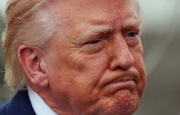



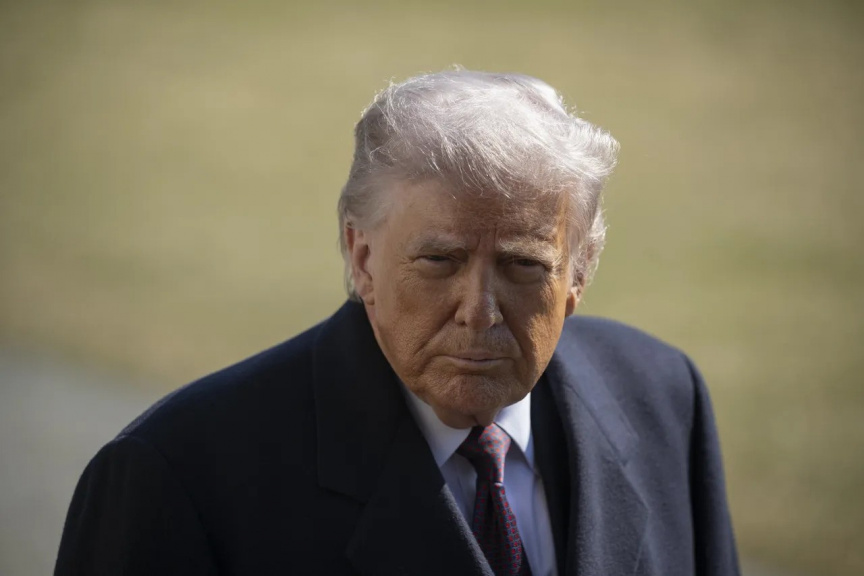
US President Donald Trump. (Photo/AA)
President Donald Trump has issued a severe ultimatum to Tehran, demanding the immediate reopening of the Strait of Hormuz within 48 hours. Failure to comply will result in targeted strikes against Iranian power infrastructure, marking a significant escalation in American rhetoric and a departure from previous policies aimed at minimizing civilian impact. The closure of this vital maritime transit point, active since the commencement of hostilities on February 28, has induced volatility in global energy markets and supply chains. As international pressure mounts and military posturing continues, Iran has responded with vows of zero restraint should its infrastructure be targeted.
US President Donald Trump has threatened to "obliterate" Iran's power plants, starting with the largest, if Tehran does not open the Strait of Hormuz within 48 hours.
"If Iran doesn't fully open, without threat, the Strait of Hormuz, within 48 hours from this exact point in time, the United States of America will hit and obliterate their various power plants, starting with the biggest one first," Trump wrote on his social media platform Truth Social on Saturday.
He posted the threat at 7.44 pm US Eastern Time (2344GMT), meaning he provided a deadline until late Monday.
He did not specify which plant he was referring to as the largest.
Iranian Foreign Minister Abbas Araghchi said on Friday that Iran would show "zero restraint" if its infrastructure came under attack.
Trump previously told PBS he deliberately avoided targeting power plants in Tehran because it would cause years of damage and "trauma" to the civilian population. The threat marks a significant escalation in his rhetoric.
Strait of Hormuz
Since the US and Israel launched the war against Iran on February 28, Iran has effectively closed the strait in retaliation.
Around a fifth of the world's crude oil and liquefied natural gas passes through the strait during peacetime, with the closure sending countries reliant on the shipping lane scrambling for alternative routes and tapping reserves.
The hit to supplies from the Gulf has caused fuel prices to spike worldwide, threatening governments with widespread inflation the longer the war continues.
The US military said earlier on Saturday that it had damaged an Iranian bunker housing weapons threatening oil and gas shipments in the Strait of Hormuz.
The statement appeared designed to calm the concerns of energy markets and of Washington's sceptical international allies, more than 20 of whom issued a statement vowing to back efforts to reopen the key sea lane.
___
Source: TRT