


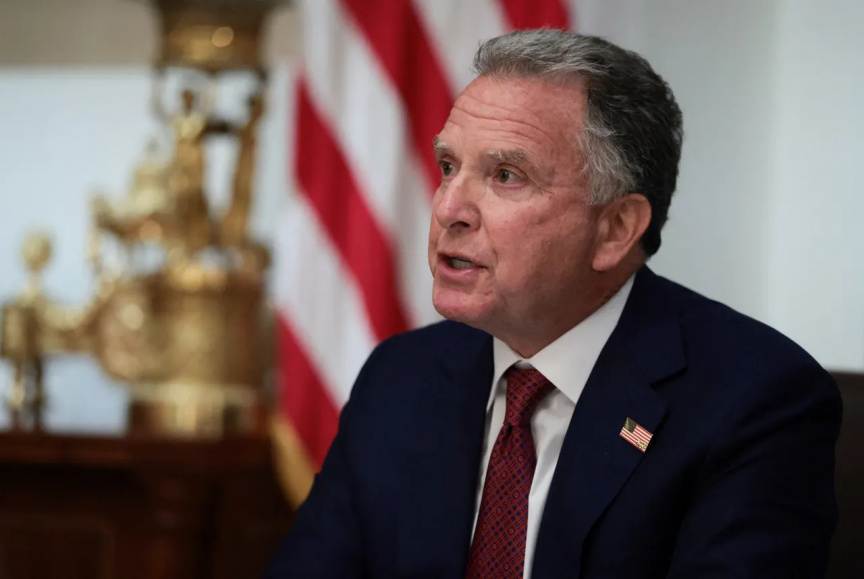
US envoy Steve Witkoff said he is hopeful for progress in the upcoming Iran talks. (Photo/Reuters)
The diplomatic landscape between the United States and Iran has become increasingly focused on potential negotiations, with US officials suggesting that direct talks may occur as early as this week. Special envoy Steve Witkoff has highlighted the existence of a 15-point peace plan, which the United States hopes will serve as the foundation for de-escalation. President Donald Trump has consistently echoed the sentiment that Tehran is under significant pressure and is actively seeking a resolution, pointing toward specific operational indicators, such as the movement of maritime traffic in the Strait of Hormuz, as evidence of a willingness to engage in good faith. These claims are central to the administration's narrative that the current strategy is yielding necessary leverage for a diplomatic breakthrough. Parallel to these diplomatic signals, the military reality remains intense. Secretary of State Marco Rubio has provided an optimistic assessment of the timeline, suggesting that the United States is positioned to conclude its current military objectives within weeks rather than months. This timeline assumes that the campaign, which began on February 28, will continue to degrade the opposing capabilities without the need for an expanded ground troop presence. The human and economic costs of this engagement have been severe, with reports indicating over 1,340 deaths and widespread damage to infrastructure across the region, affecting not only Iran but also Jordan, Iraq, and several Gulf nations. The introduction of a 15-point peace plan represents a critical juncture in the conflict. While the specific details of this document remain largely internal, the administration is pushing for a formal response from Tehran. The effectiveness of this plan relies on the dual-track approach of applying pressure—economic and military—while simultaneously offering a defined pathway toward resolution. However, the gap between the rhetoric of negotiation and the reality of ongoing airstrikes remains significant. Observers note that while the US claims a deal is within reach, the history of this relationship suggests that translating tactical success or economic pressure into a lasting diplomatic agreement is historically difficult.
US special envoy Steve Witkoff has said that he believes Iran will hold talks with Washington "this week," as US President Donald Trump reiterated his claims that Tehran wants to make a deal.
"We think there will be meetings this week, we're certainly hopeful for it," Witkoff told a business forum in Miami on Friday, where Trump was due to speak later, when asked about Iran negotiations.
The businessman-turned-roving envoy added that the United States expected a response from Tehran to its peace plan.
"We have a 15-point plan on the table. We expect the Iranians to respond. It could solve it all," Witkoff said.
Echoing Trump's unproven claim that Iran had allowed 10 oil tankers through the Strait of Hormuz to show good faith, Witkoff added that "ships are passing, that's a very very good sign."
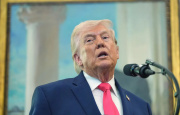
Trump has mixed harsh threats against Iran with claims that Tehran is ready to agree a deal and end the war in the coming weeks, and he stuck to that stance as he arrived in Miami.
"On Iran, they are being decimated," Trump told reporters traveling with him.
"They are talking, we are talking now. They want to make a deal."
“Matter of weeks, not months”
Secretary of State Marco Rubio said Washington expects to conclude its military campaign against Iran “in a matter of weeks, not months,” and the US can “achieve its objectives” without deploying troops on the ground.
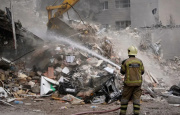
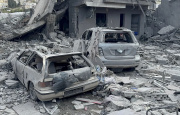
The US and Israel have been carrying out airstrikes on Iran since Feb. 28, killing more than 1,340 people.
Iran has retaliated with drone and missile strikes targeting Israel, along with Jordan, Iraq, and Gulf countries hosting US military assets, causing casualties and infrastructure damage, while disrupting global markets and aviation.
At least 13 US service members have been killed since the war began, in a conflict that has driven up energy prices and affected shipping through the Strait of Hormuz.
___
Source: TRT